
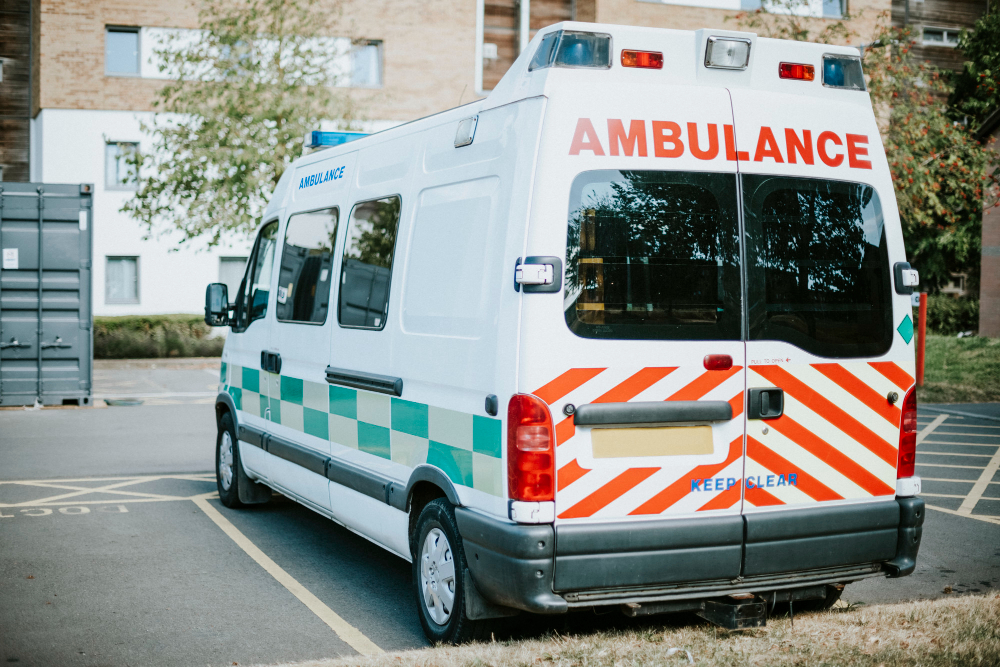
Ambulance Sg – Fast, Reliable and Professional Emergency Medical Transport in Singapore
When it comes to medical emergencies, every second counts. Ambulance Sg services play a critical role in providing rapid response, professional medical assistance, and safe patient transportation across Singapore. Whether it is a life-threatening emergency, a non-emergency hospital transfer, or specialized medical transport, choosing the right ambulance provider ensures timely care and peace of mind for patients and families.
Singapore is known for its world-class healthcare infrastructure, and ambulance services are an essential extension of this system. From advanced life support ambulances to non-emergency patient transfers, these services operate with highly trained paramedics, modern equipment, and strict safety standards.
Importance of Professional Ambulance Services in Singapore
Medical emergencies can happen at any time — at home, in the workplace, on the road, or in public spaces. In such situations, immediate medical intervention can mean the difference between life and death. Professional ambulance providers are equipped to stabilize patients, administer first aid, provide oxygen support, and perform life-saving procedures while transporting them to hospitals.
In a fast-paced city like Singapore, traffic conditions and urban density require ambulance teams to be highly coordinated and efficient. Drivers are trained in defensive and emergency driving techniques, ensuring that patients reach medical facilities quickly and safely.
Beyond emergencies, ambulance services are also essential for patients who require scheduled transport between hospitals, dialysis centers, nursing homes, or private residences.
Types of Ambulance Services Available
Ambulance providers in Singapore typically offer a range of services to meet diverse medical needs.
1. Emergency Ambulance Services
Emergency ambulances are equipped with advanced life-saving equipment such as cardiac monitors, defibrillators, oxygen cylinders, and emergency medications. These vehicles are staffed by certified paramedics trained to handle trauma, cardiac arrest, respiratory distress, and other critical situations.
When responding to emergency calls, teams assess the patient’s condition on-site and provide immediate treatment before transporting them to the nearest appropriate hospital.
2. Non-Emergency Ambulance Transport
Not all medical transportation requires sirens and urgent response. Non-emergency ambulance services are ideal for patients who need medical supervision during transport but are in stable condition. This includes:
-
Hospital discharge transfers
-
Medical appointments
-
Rehabilitation visits
-
Dialysis transport
-
Nursing home transfers
These services focus on comfort, safety, and punctuality while ensuring medical support when needed.
3. Medical Event Coverage
Ambulance providers also offer standby medical coverage for events such as corporate functions, sports competitions, construction sites, and public gatherings. Having trained medical personnel and a fully equipped ambulance on standby ensures quick response in case of accidents or medical incidents.
4. International Repatriation Services
Some ambulance companies provide international patient repatriation services. This involves coordinating with airlines, hospitals, and medical teams to safely transport patients across borders when specialized treatment is required.
What Makes a Reliable Ambulance Provider?
Choosing a trusted ambulance service requires considering several important factors.
Qualified Medical Team
Professional ambulance services employ certified paramedics, emergency medical technicians (EMTs), and trained medical staff. Their expertise ensures that patients receive proper assessment and care throughout the journey.
Modern Medical Equipment
Ambulances should be equipped with essential life-saving tools, including:
-
Cardiac monitors
-
Oxygen supply systems
-
Stretchers with safety restraints
-
Suction machines
-
First aid and trauma kits
Advanced ambulances may also include ventilators and infusion pumps for critical patients.
24/7 Availability
Medical emergencies do not follow a schedule. A reliable ambulance provider operates around the clock, ensuring assistance is available at any time, including weekends and public holidays.
Quick Response Time
Speed is crucial during emergencies. A well-organized dispatch system allows ambulance teams to reach patients promptly and coordinate effectively with hospitals.
Patient-Centered Care
Beyond medical expertise, compassionate care is equally important. Ambulance staff must handle patients with empathy, professionalism, and clear communication to reduce anxiety during stressful situations.
The Role of Ambulance Services in Singapore’s Healthcare System
Singapore has a highly structured healthcare system, and ambulance services serve as a vital link between patients and medical facilities. From initial response to hospital admission, ambulance teams ensure continuity of care.
They work closely with hospitals, clinics, and healthcare providers to ensure seamless patient transfers. This coordination helps reduce waiting times, improve patient outcomes, and maintain efficiency within medical institutions.
In addition, private ambulance services complement public emergency services by handling non-emergency transfers and reducing pressure on government resources.
Technology and Innovation in Ambulance Services
Modern ambulance services in Singapore incorporate advanced technologies to improve patient care and operational efficiency.
GPS and Dispatch Systems
Real-time GPS tracking allows dispatch centers to assign the nearest available ambulance, reducing response times significantly.
Digital Patient Records
Some providers use digital reporting systems to share patient information with hospitals before arrival. This enables emergency departments to prepare for incoming cases in advance.
Advanced Medical Equipment
Innovations such as portable ventilators, automated external defibrillators (AEDs), and advanced monitoring systems enhance pre-hospital care and improve survival rates in critical cases.
When Should You Call an Ambulance?
Understanding when to call an ambulance is important for ensuring timely medical intervention. You should seek ambulance assistance in cases such as:
-
Chest pain or suspected heart attack
-
Severe breathing difficulties
-
Unconsciousness
-
Major accidents or trauma
-
Stroke symptoms
-
Severe allergic reactions
-
Heavy bleeding
For non-emergency cases where medical supervision is still required, scheduling a private ambulance transfer is a safe and practical option.
Safety and Hygiene Standards
In today’s healthcare environment, strict hygiene protocols are essential. Professional ambulance services follow rigorous cleaning and disinfection procedures after each patient transfer. This includes sanitizing medical equipment, stretchers, and vehicle interiors to prevent cross-contamination.
Staff members also adhere to infection control guidelines, including wearing protective gear when necessary.
Cost and Transparency
Ambulance service costs may vary depending on factors such as:
-
Type of ambulance required
-
Distance of transport
-
Level of medical care needed
-
Emergency vs non-emergency service
Reputable providers maintain transparent pricing structures and clearly explain charges before dispatch whenever possible. This ensures families can make informed decisions without unexpected financial stress.
Why Timely Ambulance Services Matter
In emergency medicine, the “golden hour” refers to the critical period immediately after a traumatic injury or medical emergency. Receiving medical attention during this time significantly increases survival chances.
Ambulance services are designed to bridge the gap between the emergency site and hospital treatment. By providing immediate care on-site and during transit, paramedics stabilize patients and prevent their condition from worsening.
Peace of Mind for Families
Medical emergencies are emotionally overwhelming. Having access to a reliable ambulance service provides reassurance to families and caregivers. Knowing that trained professionals are handling the situation allows loved ones to focus on supporting the patient.
For elderly individuals, chronically ill patients, or those with mobility challenges, scheduled ambulance transport ensures safe and comfortable travel to medical appointments without unnecessary strain.
Choosing the Right Ambulance Service in Singapore
When selecting an ambulance provider, consider the following:
-
24/7 service availability
-
Certified medical staff
-
Well-equipped ambulances
-
Transparent pricing
-
Positive customer reviews
-
Prompt response times
Making an informed choice ensures that you receive professional and dependable medical transport whenever needed.
Conclusion
Ambulance Sg services are an essential pillar of Singapore’s healthcare system, delivering rapid response, professional medical care, and safe transportation for patients in both emergency and non-emergency situations. With trained paramedics, advanced equipment, and round-the-clock availability, ambulance providers ensure that patients receive timely support when it matters most.
Whether facing a critical medical emergency or arranging a scheduled hospital transfer, choosing a trusted ambulance service guarantees safety, efficiency, and compassionate care. In moments where every second counts, reliable ambulance services make all the difference — protecting lives and providing peace of mind across Singapore.