
Dust Control Netting A Practical Guide for Cleaner Safer Construction Sites
Construction sites look busy productive and full of progress. They also produce dust. A lot of it. Dust travels fast settles everywhere and creates problems for workers neighbors and project owners. This is where Dust Control Netting steps in like a calm professional who knows how to handle chaos without making noise.
This article explains Dust Control Netting in a clear practical and human way. You will learn how it works why it matters and how to choose the right option for real world use. The facts come from trusted industry and regulatory sources. The tone stays friendly. The logic stays solid. The dust stays under control.
What Is Dust Control Netting
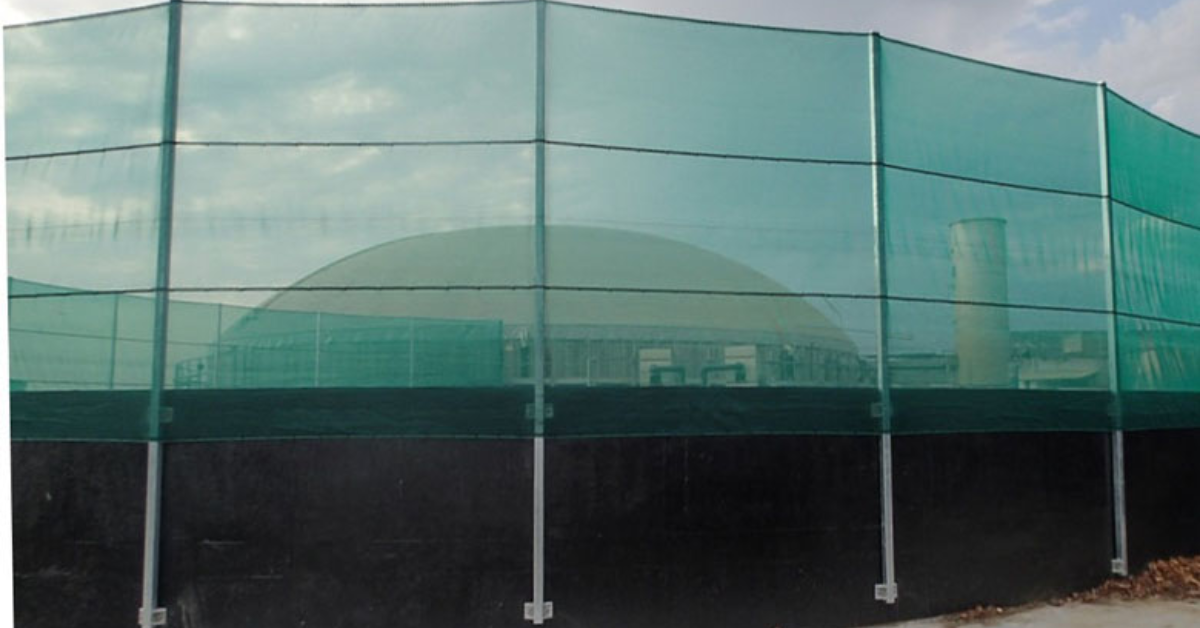
Dust Control Netting is a permeable mesh material designed to reduce the spread of airborne dust and debris. Builders install it around scaffolding fencing or site boundaries. The netting allows airflow while trapping fine particles.
This balance matters. Solid barriers block wind but create pressure and safety risks. Open sites allow dust to escape freely. Dust Control Netting sits comfortably in the middle.
Manufacturers usually make the netting from high density polyethylene or similar durable polymers. These materials resist tearing weather exposure and ultraviolet radiation. That durability keeps the site safer and the investment worthwhile.
According to construction safety guidance from organizations like OSHA and the UK Health and Safety Executive dust containment plays a key role in worker protection and environmental compliance.
Why Dust Control Matters More Than Ever
Dust may look harmless but science disagrees. Fine construction dust often contains silica cement particles and other irritants. Inhalation can cause respiratory problems and long term health risks.
The World Health Organization and the US National Institute for Occupational Safety and Health both highlight dust exposure as a serious occupational hazard. Silica dust in particular links to lung disease when exposure continues over time.
Dust also affects visibility machinery performance and nearby properties. No neighbor enjoys a fine layer of grey powder on their car every evening. Complaints slow projects and damage reputation.
Dust Control Netting helps reduce these risks without slowing work. It supports compliance with environmental and workplace safety standards. It also keeps peace with the community. That last benefit has real value even if it never appears on a balance sheet.
How Dust Control Netting Works in Real Conditions
The logic behind Dust Control Netting stays simple. The mesh structure breaks wind flow. As air slows dust particles lose momentum and settle instead of traveling.
The netting does not seal the site. Air still moves through. This reduces pressure buildup and improves comfort for workers on scaffolding.
Different mesh densities handle different levels of dust. Finer meshes capture smaller particles. More open meshes focus on debris control while maintaining visibility.
Engineers often select netting density based on site location height and nearby exposure. A high rise project near residential buildings needs stronger containment than a remote industrial site.
Common Applications of Dust Control Netting
Dust Control Netting appears in many environments. Construction sites use it most often but not exclusively.
Building Construction and Renovation
High rise buildings create dust at elevation. Wind spreads it easily. Netting wrapped around scaffolding reduces fall out and improves site safety.
Infrastructure and Civil Works
Road projects bridges and tunnels generate continuous dust. Netting installed along barriers protects traffic and pedestrians nearby.
Demolition Projects
Demolition releases heavy dust loads quickly. Netting provides immediate containment during controlled dismantling.
Industrial Facilities
Factories and material handling yards use Dust Control Netting to limit dust migration from bulk storage areas.
Industry best practices published by groups like the American Society of Civil Engineers support the use of physical dust barriers as part of integrated dust management plans.
Benefits That Go Beyond Dust Reduction
Dust Control Netting does more than trap particles. It delivers several practical benefits that site managers appreciate.
First it improves safety. Reduced dust means clearer vision and fewer slip hazards. Workers operate machinery with better awareness.
Second it supports compliance. Many local authorities require dust mitigation measures. Netting offers a visible and effective solution during inspections.
Third it protects equipment. Dust infiltrates motors sensors and electronics. Reducing airborne particles extends equipment life.
Fourth it enhances professionalism. A well netted site looks organized and responsible. Clients notice. Regulators notice. Neighbors notice.
And yes it also saves time. Less cleaning fewer complaints and fewer work stoppages keep projects moving forward.
Choosing the Right Dust Control Netting
Not all Dust Control Netting performs the same. Choosing wisely prevents frustration later.
Material Quality
High density polyethylene remains the industry standard. It resists tearing and handles outdoor exposure well. Lower grade plastics degrade faster and lose tension.
Mesh Density
Select density based on dust type and site conditions. Fine dust requires tighter weave. General debris control works with medium density.
Fire Retardant Properties
Many projects require fire retardant netting. Compliance with standards like EN 13501 or equivalent local codes matters. Always verify certification.
Installation Method
Good netting still fails with poor installation. Secure fixing at proper intervals prevents sagging and gaps. Professional installers understand tension and overlap requirements.
Suppliers with established track records and documented testing data provide more reliable outcomes. Construction procurement guidelines often recommend verified suppliers for safety related materials.
Environmental and Regulatory Considerations
Environmental agencies across regions emphasize dust control as part of sustainable construction. The US Environmental Protection Agency and similar bodies in Asia and Europe include dust mitigation in environmental impact management.
Dust Control Netting aligns well with these expectations. It provides a passive solution that requires no power or water. That efficiency reduces resource use.
Many green building frameworks recognize dust management as part of responsible site practices. While netting alone does not earn certifications it supports broader compliance goals.
In urban areas authorities may issue fines or stop work orders when dust escapes beyond site boundaries. Netting acts as a preventive measure rather than a reactive fix.
Maintenance and Lifespan Expectations
Dust Control Netting does not demand complex maintenance. Regular visual inspections usually suffice.
Check for tears loose fasteners or excessive dust buildup. Clean netting when heavy accumulation reduces airflow. Simple water spray often works.
Quality netting can last through multiple project phases. Some contractors reuse it across sites when condition allows. This reuse improves cost efficiency and reduces waste.
Manufacturers typically provide lifespan estimates based on UV exposure and handling. Following recommended storage practices extends usability.
Cost Considerations Without Guesswork
Cost matters. Decision makers want value not just price.
Dust Control Netting costs vary by material density and fire treatment. While cheaper options exist they often degrade faster and require replacement.
Studies referenced by construction management publications show that proactive dust control reduces indirect costs such as delays fines and cleanup labor. These savings often exceed the initial investment.
Think of netting as insurance that actually works. It prevents predictable problems instead of reacting to them later.
Common Myths About Dust Control Netting
Some myths refuse to leave construction sites. Let us clear a few.
One myth says netting blocks airflow and makes sites unsafe. In reality mesh design allows controlled airflow and reduces wind pressure.
Another myth claims netting solves all dust issues alone. It does not. Effective dust management also includes watering material handling controls and good housekeeping. Netting plays a key supporting role.
A third myth suggests netting looks messy. Poor installation looks messy. Properly installed netting looks professional and intentional.
Logic beats rumors every time.
Why Trusted Suppliers Matter
Dust Control Netting supports safety and compliance. That makes supplier credibility important.
Reputable suppliers provide material data fire ratings and usage guidance. They follow manufacturing standards and quality checks.
When a supplier shares testing results and industry references they help build trust. That trust extends to your project and brand.
Businesses like MyCanvas serve this space by focusing on quality materials and professional application. While many products exist only a few deliver consistent performance backed by documentation.
Final Thoughts Clean Sites Clear Thinking
Dust Control Netting does not shout for attention. It works quietly in the background. That quiet effectiveness makes it valuable.
Cleaner air safer workers happier neighbors and smoother projects all connect to good dust management. Netting offers a practical proven and logical solution.
Construction will always create dust. That truth will not change. How we manage it can and should.
By choosing quality Dust Control Netting installing it correctly and pairing it with smart site practices you protect people projects and reputation.
And if someone still doubts its value just invite them to stand downwind of an unprotected demolition site. Logic tends to arrive quickly after that.